
Professional headshots as a quiet collaboration
Professional headshots sit in a strange space. They are meant to represent work, credibility, and intention, yet they often end up feeling disconnected from the person they show. Too polished, too stiff, too distant. Over the years, both as a photographer and as someone who needs images of herself for professional contexts, I have become increasingly interested in what happens when we slow this process down.
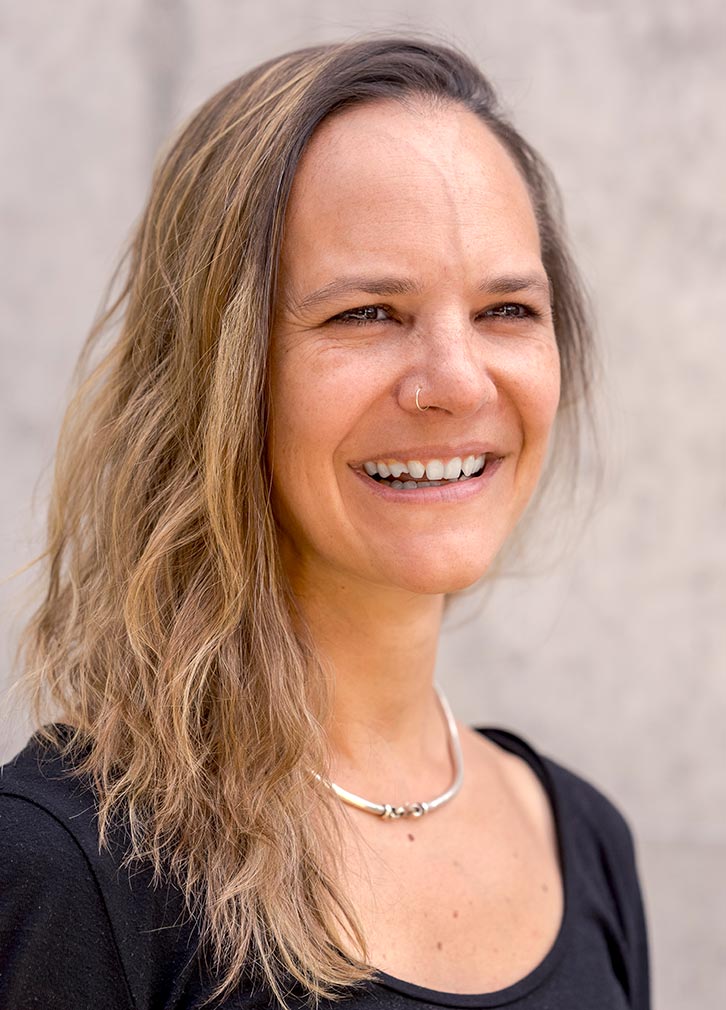
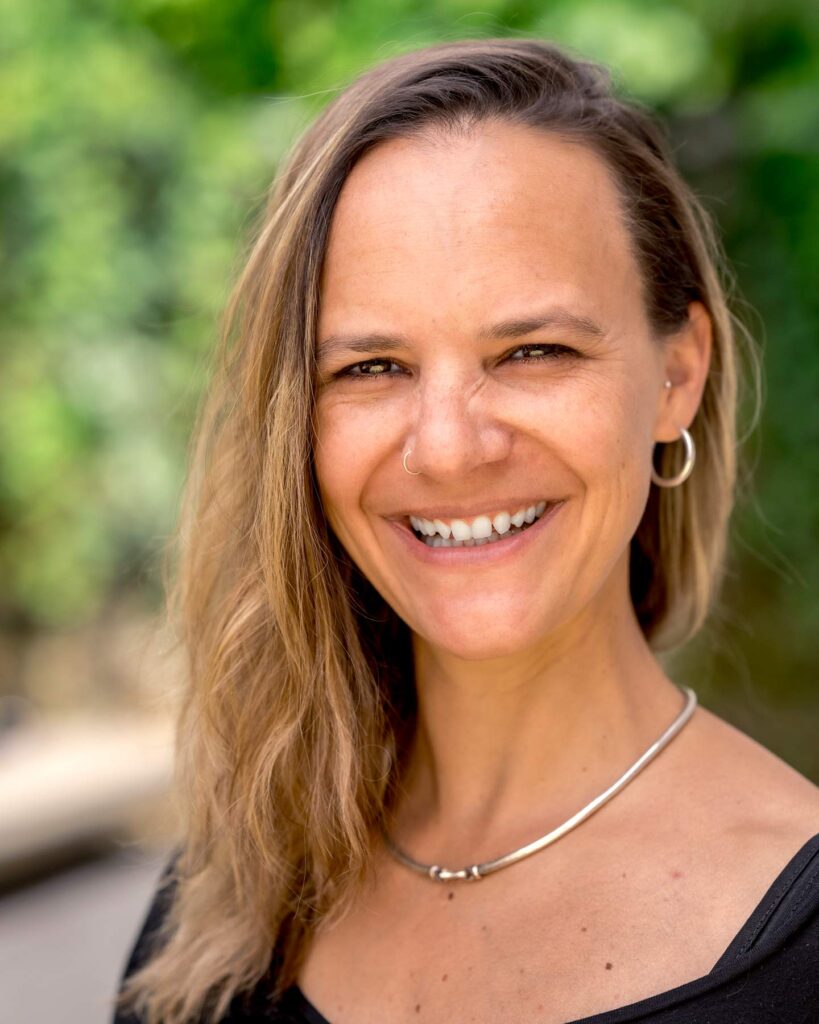
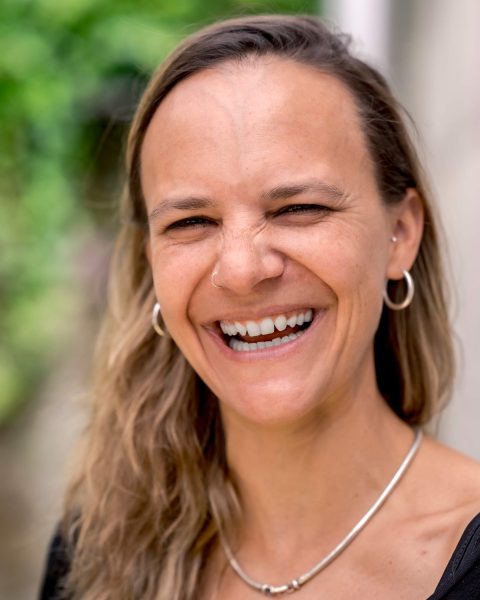
This session with Miriam from Opakbox in Bern is a good example of that quieter approach. It was simple, unhurried, and grounded in conversation. Thirty minutes. Natural light. A reflector. Two backgrounds that could not be more different, the open view over the old city and a raw concrete wall. Nothing more was needed.
At OLA LAB, this way of working has become a practice rather than a style. It is less about creating a perfect image and more about creating the conditions where someone can arrive as themselves.
Returning to Bern and working with familiarity
I was back in Bern in summer, visiting friends and moving through places that still carry a particular rhythm for me. Bern has a way of slowing you down without asking. The light is generous. The city holds space rather than filling it.
Miriam and I know each other outside of photography. That familiarity matters. It changes the tone before the camera even comes out. There is less explaining, less performing, less proving. We met at the Altes Tramdepot, a place that sits right on the edge between movement and pause.
This kind of setting is ideal for professional headshots that do not want to feel enclosed or artificial. You are not cut off from the world. You are part of it.
Choosing backgrounds that do not compete
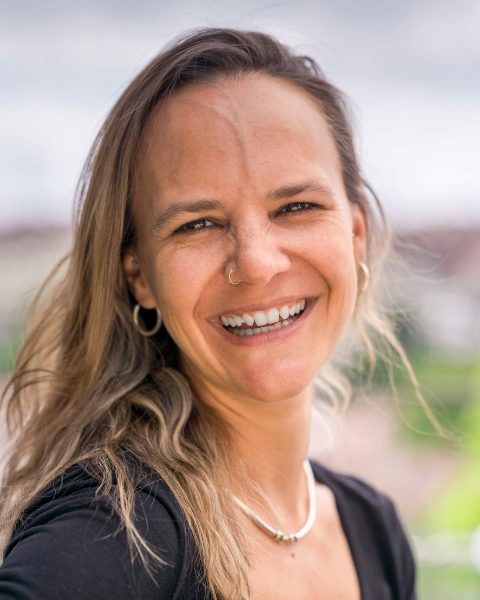
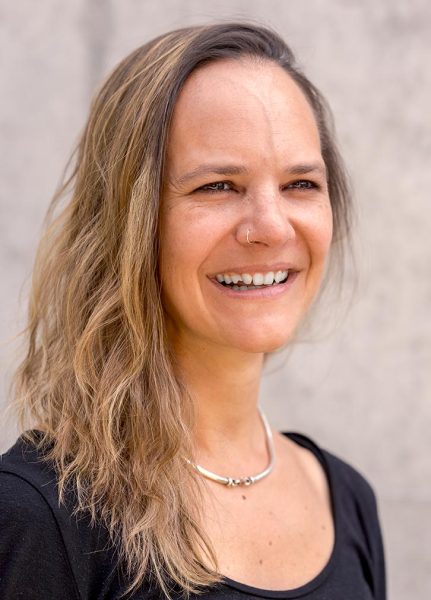
One of the quiet decisions in this session was the background. We moved between two options that might seem contradictory at first.
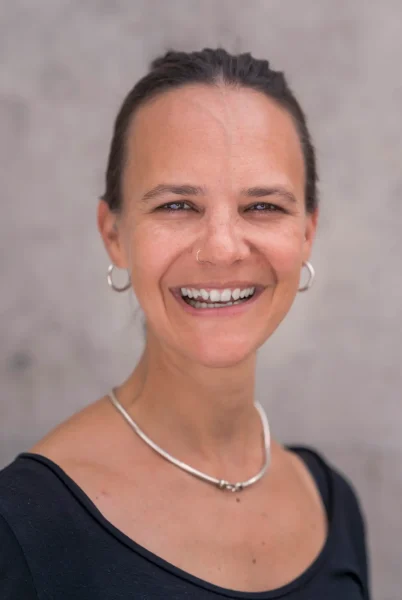
On one side, the view over old Bern. Soft, layered, full of history and depth. On the other, a plain concrete wall. Flat, neutral, almost anonymous.
Both worked, for different reasons.
The city view adds context without distraction. It places the subject in a real environment while keeping the focus on the face. The concrete wall does the opposite. It removes context almost entirely, letting expression, posture, and light carry the image.
When I work on professional headshots, I often think in terms of how the image will be used. Social media profiles, website headers, press articles, internal presentations. Each context asks for a slightly different kind of presence. By keeping the setup minimal and flexible, we were able to create images that travel well across all of these uses.
Natural light and the role of restraint
The entire session was shot with natural light and a reflector. No artificial lights. No modifiers. No visual noise.
Natural light does something important in professional headshots. It keeps the feedback loop immediate. You can feel when the light shifts. You can adjust your position slightly and see the difference right away. It invites collaboration rather than control.
The reflector played a supporting role only. It softened shadows and brought a bit of warmth back into the face without announcing itself. This kind of restraint matters. When light becomes too noticeable, it often pulls attention away from the person.
I want the viewer to meet the person first, not the technique.
The sweet spot of a thirty minute session
My approach to retouching follows the same logic as the session itself. I keep it light and intentional. Small skin blemishes, uneven skin tones, a bit of gentle dodge and burn to soften shadows. Enough to bring balance and clarity, not enough to rewrite a face. Unless someone asks for something specific, such as softening dark circles under the eyes, I do not go further. The goal is not to correct a person, but to help the photograph breathe.
The session itself lasted around thirty minutes. This is often enough.
Longer sessions can be useful, but they are not always better. Especially for professional headshots, there is a moment where concentration and ease overlap. After that point, people tend to overthink, adjust too much, or simply lose energy. The image changes, not always for the better.
Miriam later told me that she felt natural and at ease throughout the session. That kind of feedback matters to me as much as the photographs themselves. If someone leaves a session feeling more comfortable with being seen, something meaningful has already happened.
Professional headshots should not feel like a performance review. They should feel like a conversation that happened to be photographed.
Expression over posing
There was very little posing in the traditional sense. No fixed instructions. No rigid positions.
Instead, I pay attention to micro movements. How someone shifts their weight. How their shoulders settle when they exhale. The difference between a smile that is held and one that arrives on its own.
These details are subtle, but they are what make professional headshots feel alive rather than manufactured. Especially in close framing, the face carries a lot of information. Tension shows quickly. So does ease.
By keeping the session conversational, we allowed expressions to emerge rather than be requested.
Images that are meant to be used
Beyond print, Miriam also updated her LinkedIn profile with one of the photographs. Since then, she has been using the images actively across her business communication and social media.
This matters to me.
Professional headshots are not meant to live in a folder called final and never be opened again. They should be usable. Flexible. Timeless enough to last, but current enough to feel relevant in everyday communication.
Her work through Opakbox sits at the intersection of clarity, structure, and thoughtful design. The images needed to support that without overpowering it. Clean backgrounds, natural expression, and honest light help the photographs integrate smoothly into her existing visual language.
When images leave the studio
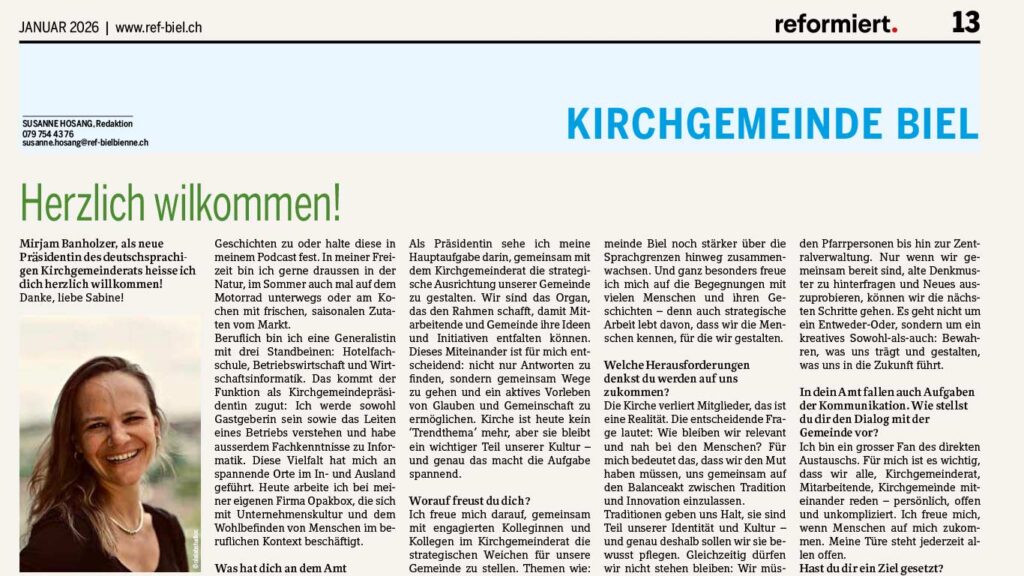
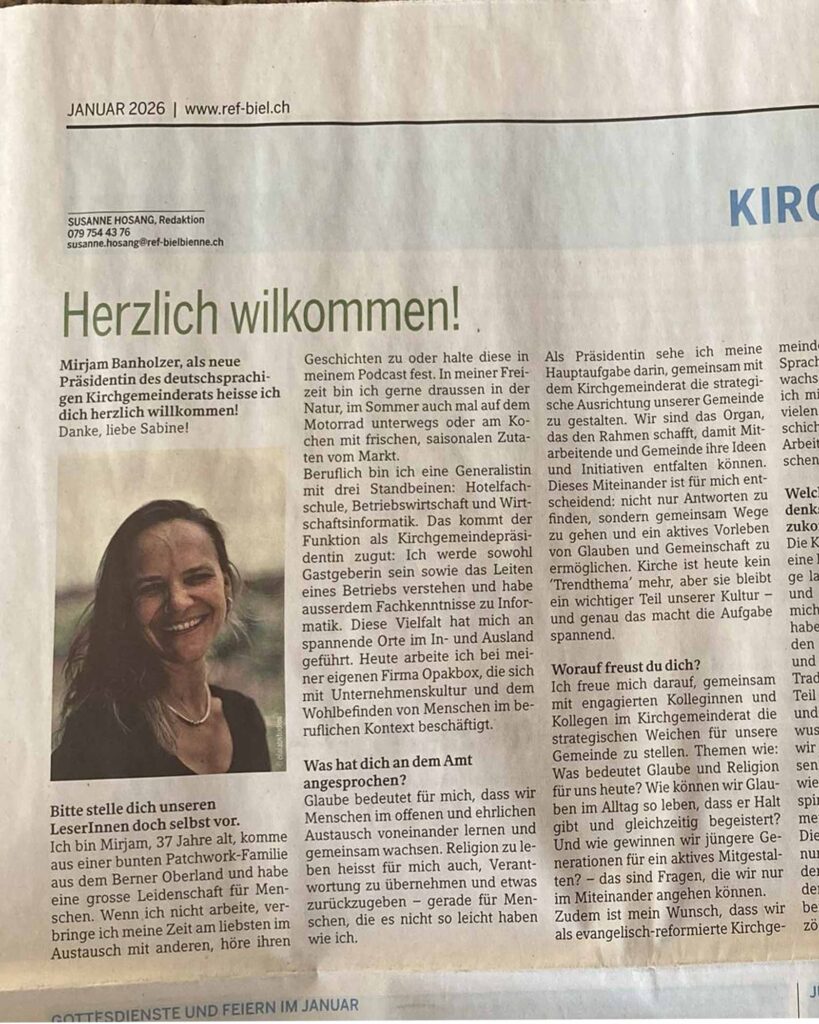
The photograph you see above later appeared in a local newspaper, embedded in a longer interview. Seeing an image move from a personal session into a public, editorial context is always instructive.
It shifts the question from how the photograph looks to how it holds. Whether it remains legible once it leaves its original frame. Whether it communicates something clear to a reader who has never met the person behind it.
This is one of the reasons I approach professional headshots with restraint. Images that depend too heavily on trend, styling, or visual effect tend to lose their footing when placed in editorial or institutional settings. Simplicity travels further. It adapts. It continues to make sense.
Professional headshots as a form of trust
At their core, professional headshots are about trust. Trust between the photographer and the person being photographed. Trust between the image and the viewer.
When someone looks at a headshot, they are often making a quick decision. Do I feel comfortable reaching out. Does this person seem grounded. Do I sense clarity rather than noise.
These are not things that can be forced. They emerge when the process allows for them.
At OLA LAB, I think of professional headshots as a quiet collaboration. A short shared moment where attention is present, choices are intentional, and nothing extra is added without reason.
Closing reflections
This session in Bern was not about creating something spectacular. It was about creating something accurate.
Accurate to a person.
Accurate to a moment.
Accurate to the way someone wants to show up in their work.
Those are the professional headshots that last. Not because they impress, but because they continue to feel right long after they were made.
If you are also feeling that your LinkedIn photo no longer reflects who you are now, or if you have an upcoming project where you need images that feel clear, calm, and usable across contexts, you can find more about my approach to professional portraits and headshots.
And sometimes, thirty minutes in good light is all it takes.
More stories that drift together