Olalab Studio | Photography and Visual Storytelling in Amsterdam


A newborn photoshoot at home: natural light, gentle posing, and calm moments
A newborn session is not a performance
Most of the newborn sessions I photograph in Amsterdam take place at home, where light, quiet rooms, and familiar spaces allow the first days with a baby to unfold naturally.
When I arrive for a newborn session, I am never looking for a pose first. I am looking for light. For where the house feels calm. For how the baby is held naturally. A newborn session is not a performance and it does not need to look like one. Babies arrive with their own pace, their own preferences, their own small gestures that repeat themselves without instruction.
At OLA LAB, newborn sessions live inside real homes, not studios. Homes carry memory. They have uneven light, soft corners, imperfect backgrounds, and traces of everyday life. All of that matters. It gives context to the images and makes them feel anchored rather than staged.
The goal of a newborn session is not to create a catalogue of poses. It is to document a short and fleeting chapter with care. That approach changes everything about how we pose, how we choose colors, and how we move through the session.
Let the baby lead the posing
Newborn posing begins with observation. Before touching or adjusting anything, I watch how the baby settles. Some babies love being curled into a chest. Others prefer to stretch. Some calm instantly when wrapped. Others resist it completely. A newborn session works best when we follow these signals instead of overriding them.
Here are a few guiding principles I return to again and again.
- First, keep the baby supported. Hands, arms, chests, and laps are the safest and most natural places. Babies photograph beautifully when they are held close, especially when the adult holding them feels comfortable and relaxed.
- Second, work at the baby’s height. Sitting on a bed, a sofa, or the floor often creates the most natural angles. Standing poses tend to introduce tension in shoulders and arms, which babies feel immediately.
- Third, move slowly. Newborns react to sudden changes in temperature, light, and touch. Slow transitions keep them settled and reduce the need for constant soothing.
- Fourth, repeat what works. If a baby settles well in one position, we stay there. A newborn session does not need constant variation. Small shifts in angle, light, or hand placement are often enough.
- Fifth, accept pauses. Feeding, changing, and calming are not interruptions. They are part of the session. Some of the most honest images happen in those moments.

Gentle poses that work in almost every home
Certain poses return naturally in almost every newborn session because they mirror how parents already interact with their baby. These are not poses to memorize, but shapes to recognize.
- Holding the baby upright against the chest is one of the most grounding positions. It allows the baby to feel secure and creates a strong visual line between parent and child. Slightly turning the body toward the light keeps faces softly illuminated.
- Cradling the baby in both arms works well when seated. This pose naturally creates curves and allows hands to frame the baby without gripping. I often ask parents to breathe slowly and let their shoulders drop.
- Laying the baby on a bed or sofa can be beautiful when done simply. A neutral blanket or sheet is enough. The baby can be placed on their back or side, with hands close to the face if they settle that way. There is no need to force symmetry.
- Detail moments matter too. Fingers wrapped around a parent’s thumb. Feet resting against a forearm. The weight of a baby’s head supported by a single hand. These details add rhythm to the final gallery.

Why color palettes matter more than you think
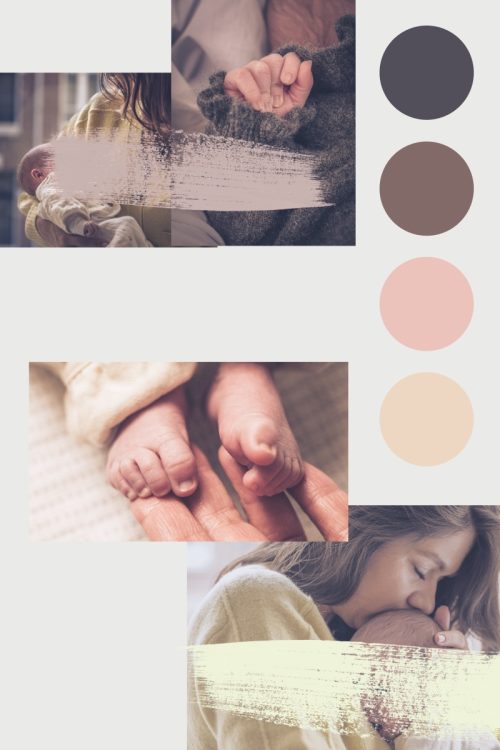
Color is often underestimated in a newborn session. Yet it shapes how the images feel long after the session itself. Loud colors pull attention away from expression. High contrast patterns age images quickly. Soft, cohesive palettes allow skin tones, light, and emotion to remain central.
When I think about color for a newborn session, I think in layers. Walls. Clothing. Textiles. Light temperature. They all interact.
Homes already have a palette. White walls with warm floors. Beige sofas. Wooden furniture. Instead of fighting this, it is better to work with it. A newborn session feels calmer when everything belongs to the same visual family.
I always encourage parents to choose colors that feel familiar rather than special. This is not about dressing up. It is about choosing tones that already exist in the home and supporting them gently.
Color palettes that photograph beautifully in newborn sessions
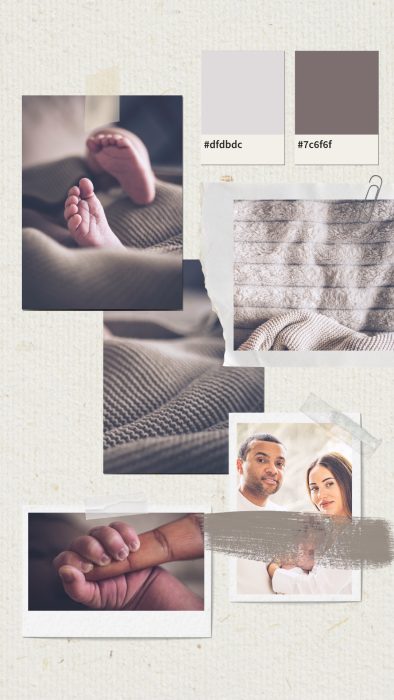
Neutral palettes are the most forgiving and the most timeless. Soft whites, creams, warm greys, and beiges reflect light gently onto the baby’s skin. They also work well across different lighting conditions.
Earth tones bring warmth without distraction. Think muted browns, clay, soft olive, or warm sand. These colors ground the images and connect well with natural textures like wood, linen, and wool.
Soft pastels can work when they are desaturated. Dusty blues, muted sage, and pale blush tones add variation without overpowering the frame. The key is softness rather than brightness.
Monochrome palettes create cohesion. Dressing both parents in similar tones, even if the fabrics differ, keeps the focus on interaction rather than contrast. Texture matters more than color variation.
What I usually suggest avoiding are strong blacks near the face, bold logos, high contrast stripes, and saturated primary colors. These elements tend to dominate the image and pull attention away from the baby.
Clothing guidance that supports posing
Clothing influences how posing feels as much as how it looks. Tight sleeves restrict movement. Stiff fabrics hold tension. Soft clothing allows bodies to settle naturally around the baby.
Loose shirts, knitwear, soft dresses, and simple tops photograph well. Bare arms or rolled sleeves often look more natural than long fitted sleeves. For newborns, simple onesies, wraps, or bare skin with a diaper are more than enough.
Layers are useful. A cardigan can be added or removed easily. A blanket can serve as both warmth and background. Keeping options minimal avoids constant outfit changes, which can unsettle the baby.
In a newborn session, comfort always comes before aesthetics. When parents feel comfortable, babies feel it too.
Working with light instead of chasing it
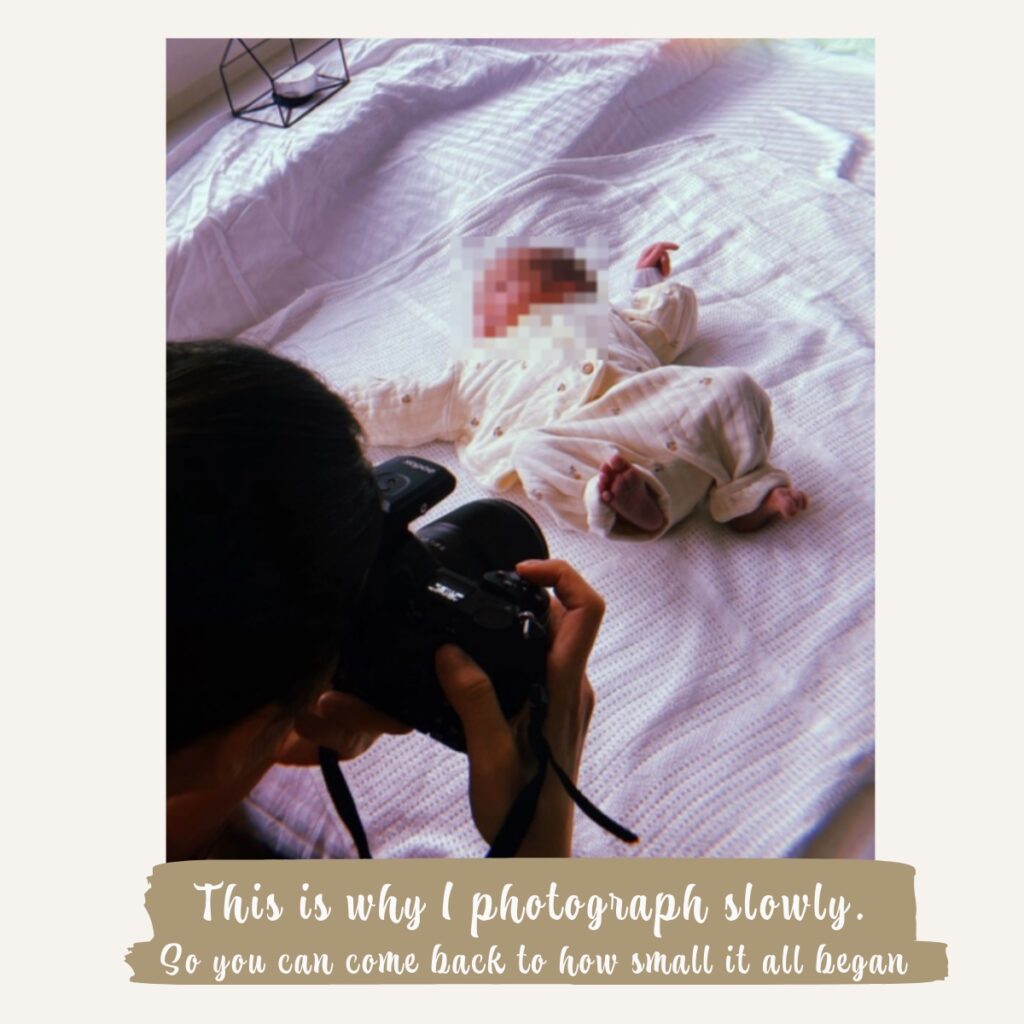
Light is the quiet backbone of every newborn session. At home, window light is usually enough. The direction matters more than the intensity.
I look for windows where light falls sideways rather than directly from above. Side light creates depth and softness. North facing windows often provide the most consistent light, but any window can work if we pay attention to timing.
Curtains and sheers are powerful tools. They soften harsh light and create an even glow. Turning off overhead lights usually helps keep color tones natural.
During a newborn session, light shifts slowly. Instead of chasing it through the house, I prefer to settle into one or two spots and let the session unfold there.
The emotional layer of a newborn session
Beyond posing and color, there is an emotional layer that cannot be planned. The way a parent looks at their baby when they think no one is watching. The instinctive rocking. The small sounds that fill the room.
These moments happen when the session feels unhurried. When posing does not interrupt connection. When color and light support rather than compete.
At OLA LAB, this is the part I care most about. Technique serves the moment, not the other way around. A newborn session is not about producing perfect images. It is about making space for something real to happen.
Trusting simplicity over perfection
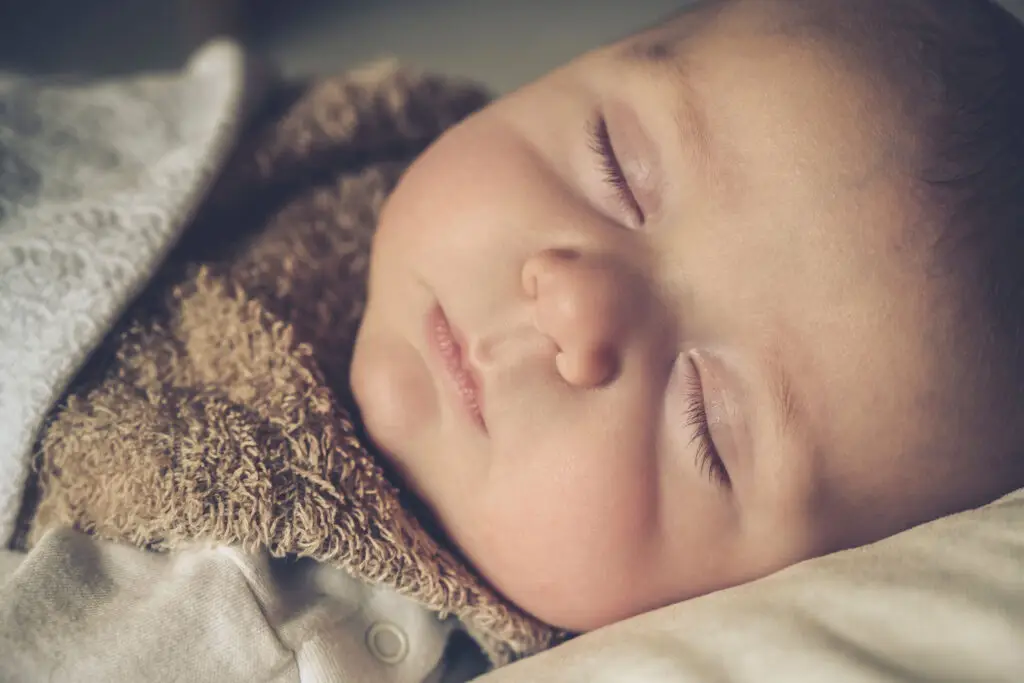
The most meaningful newborn photoshooting I have photographed were also the simplest. One room. One window. A baby held close. A quiet rhythm.
Posing tips and color palettes can be useful guides, but they are not rules. The real work happens in paying attention.
To the baby.
To the space.
To the people becoming parents in front of you.
If you are preparing for a newborn session, my advice is simple. Choose comfort. Choose calm colors. Let your home be itself. Let your baby lead.
Often that is all a newborn session really needs.