10 Tiny newborn details you’ll wish you remembered
There is something deeply unsettling about how quietly the newborn phase ends. Not with a milestone or a clear transition, but with absence. One day you realise a gesture is missing. A sound no longer happens. A way of being has slipped away without asking to be remembered.
It is rarely the big things. It is not the first smile or the first outfit that stays with you. It is the small newborn details that leave first. The ones you assumed would always be there.
At OLA LAB, where photography lives close to memory and observation, I keep returning to this idea. That presence is often more important than preservation. That noticing changes the way something stays with us.
This is not a guide on what to photograph. It is an invitation to slow down and pay attention while things are still unremarkable.
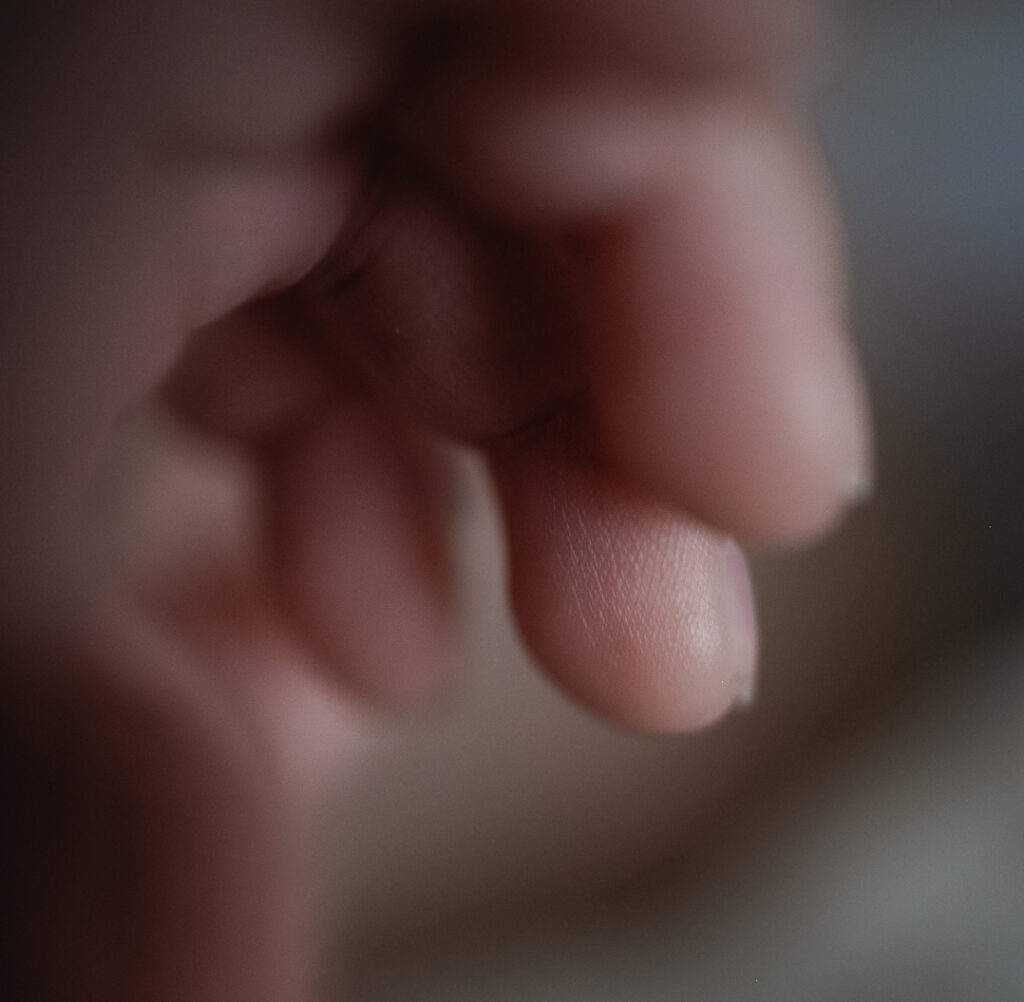
1. The hands before they open
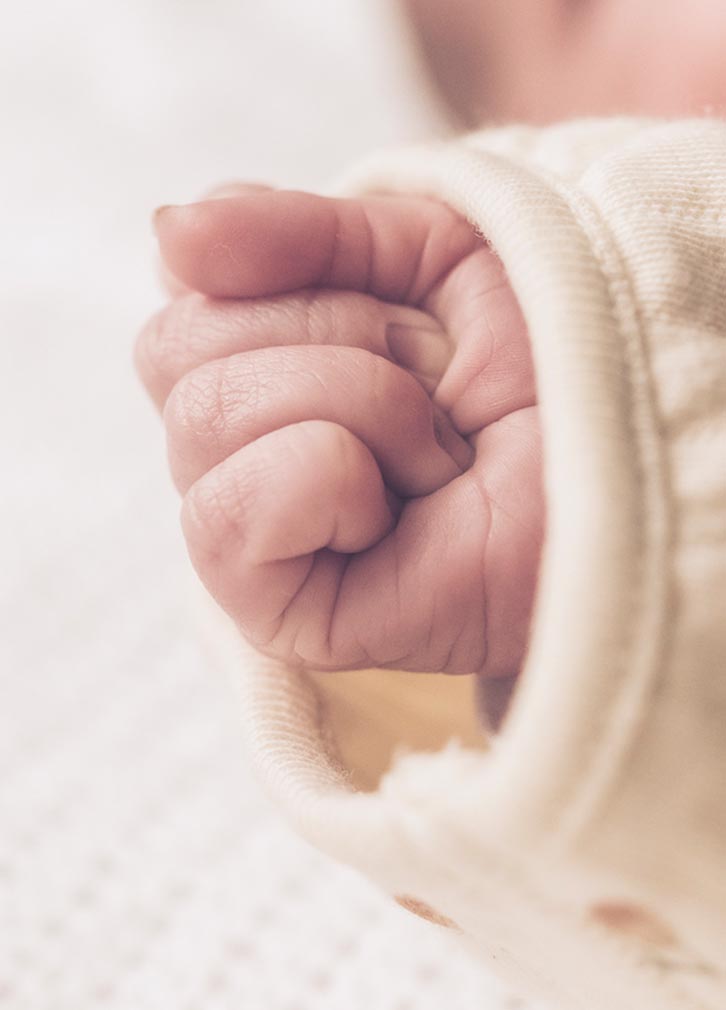
Newborn hands do not rest openly. They fold inward. Fingers curl as if remembering something older than touch.
In the first days, the grip is automatic. A finger offered is taken without hesitation. The hand closes with a strength that feels surprising for something so small.
Then one day, the hands open. Slowly at first. The grip loosens. Fingers stretch and begin to explore space rather than hold onto it.
You probably have photos of those hands. But what is harder to recall is the feeling of being held back. The certainty in that grip. The way it felt purposeful, even though it was reflex.
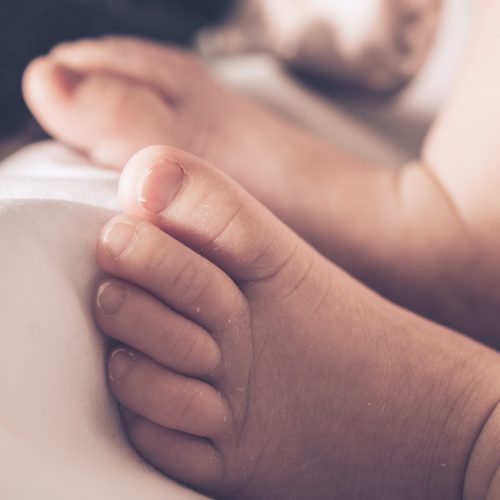
2. The feet that barely touched the world
Newborn feet arrive before purpose. Soft, wrinkled, often tucked close, they seem unaware of what they will one day do. The toes curl and uncurl without direction.
The soles are smooth and warm, marked by fine lines that feel almost temporary. For a while, these feet do not carry weight or intention. They rest against your palm, brush your skin, press gently during feeds.
Then one day they push. They stretch. They discover the floor. And without noticing when it happened, the feet that had not yet met the world begin to move through it.
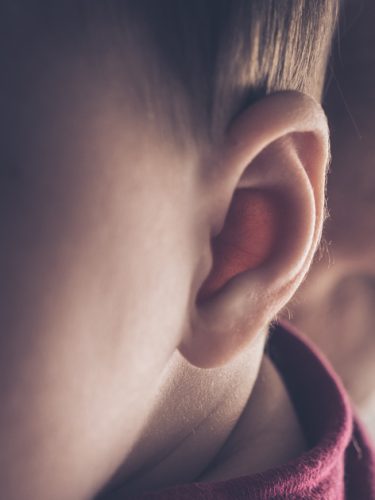
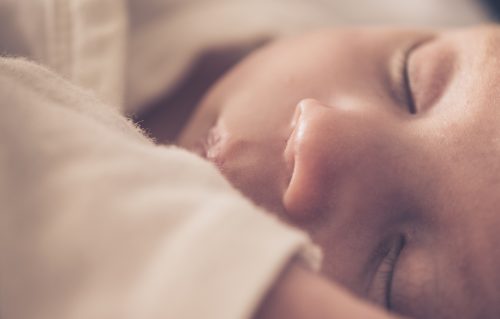
3. The ears and eyes before they define a face
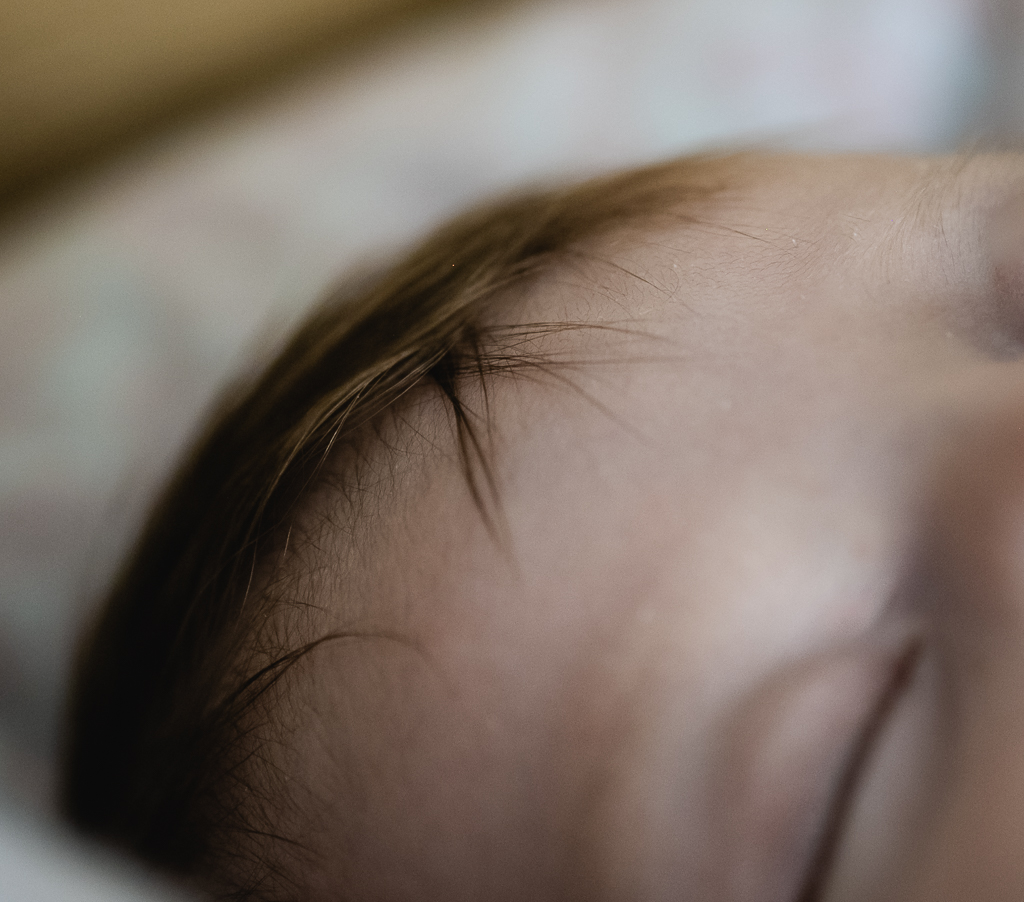
Newborn ears and eyes feel unfinished, as if they are still deciding how to exist. The ears are soft and folded, thin enough to warm instantly under your fingers. They seem almost translucent, catching light in a way that disappears later. The eyes, when open, are wide but unfocused, framed by barely there eyelids. There are no real brows yet, only the suggestion of them.
Sometimes there is a trace of downy hair, a fine duvet along the temples or forehead, so light it only appears when the light falls just right. These features do not yet anchor the face. They float.
And before they sharpen into expression and recognition, they quietly change, leaving behind only a vague memory of how gentle they once were
4. The sound of breathing before sleep
There is a specific sound newborns make just before they fall asleep. A soft uneven rhythm. Not a sigh. Not yet snoring. Something in between.
It often happens while being held. Or in a bassinet close enough to hear every breath. The sound fills the space without asking for attention.
Over time, sleep changes. Breathing becomes quieter, or louder, or more predictable. But that early rhythm disappears.
It is rarely recorded. And almost never described. Yet when it is gone, nights feel less anchored than before.
5. The weight that fits exactly once
There is a brief moment when a newborn fits perfectly against your body. Not because they are light, but because their shape still remembers yours.
Their head rests under your chin. Their back curves naturally. Their legs tuck without resistance. You do not adjust. Neither do they.
This exact balance does not last. Soon they stretch. They push away. They occupy space differently.
You might remember the heaviness of tired arms. But this precise fit is harder to recall. The way holding them required no effort at all.
6. The smell before the world reaches them
Newborn skin has a smell that cannot be recreated. Clean but warm. Slightly sweet. Not soap. Not milk.
It lingers in the folds of the neck. Behind the ears. In the crease of an elbow.
Over time, this changes. Air. Fabric. Laundry detergent. Time itself alters it.
People speak about the newborn smell with nostalgia, but rarely acknowledge how quickly it fades. Or how deeply it stays once it does.
7. The pauses between movements
Newborns move slowly, but not continuously. There are long pauses where nothing happens, and nothing is missing.
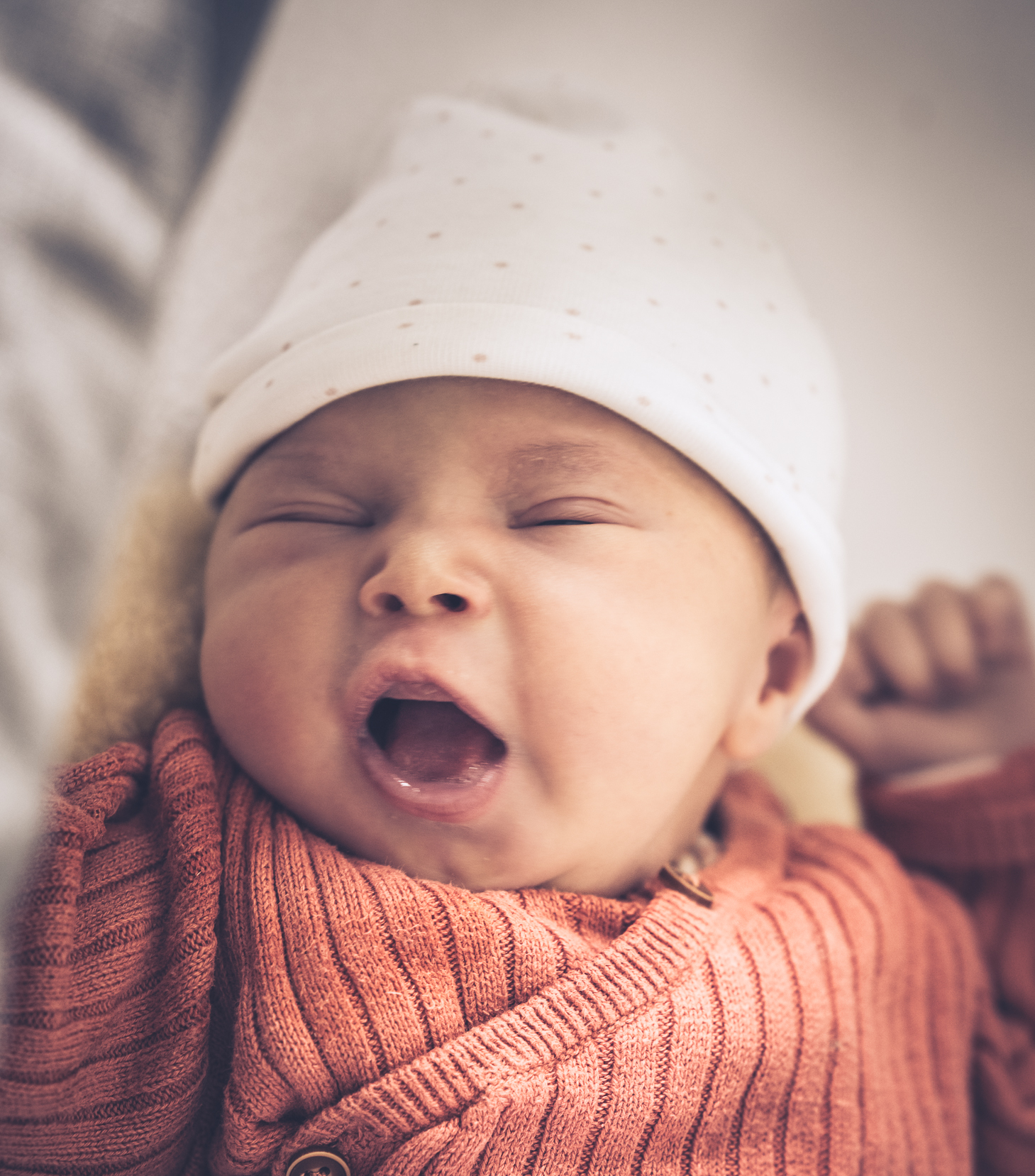
A stretch that stops halfway. A yawn that never finishes. An arm lifted and then forgotten.
As coordination develops, these pauses disappear. Movements become efficient. Purposeful.
But those early interruptions carry a kind of honesty. As if time itself is still learning how to move through the body.
8. Expressions without intention
A newborn face does not communicate. Expressions appear without intention. A smile that is not social. A frown that is not discomfort.
They pass through the face and leave again. Not meant for anyone.
Later, expressions respond. They mirror. They seek connection.
But early on, they simply exist. And because they are not directed at us, they are easy to forget.
9. Days without edges
In the beginning, days blur. Morning and afternoon dissolve into each other. Light changes, but time feels unstructured.
This can feel disorienting. Even heavy. But it also holds a softness that disappears once routines take shape.
You may remember exhaustion and uncertainty. But not the absence of urgency. The way nothing needed to be productive or defined.
The small newborn details matter because they are unrepeatable. Not because they are beautiful, but because they only exist once.
You can photograph milestones. You can write dates in books. But these things live elsewhere. In sensation. In muscle memory.
They are remembered later through fragments. A smell. A sound. The way a weight once fit exactly.
Photography can acknowledge them. But presence is what allows them to settle
At OLA LAB, newborn sessions are built around observation rather than control. I watch how a baby settles. Where their hands rest. How they respond to light.
I do not try to recreate moments. I notice what is already there.
Because tomorrow will be different. And the day after that, different again.
Photographing small details is not about freezing them. It is about saying this existed, even briefly.
If you are in the newborn phase now, this is not a reminder to document more. It is permission to notice without pressure.
Let the small newborn details pass through you without trying to hold them.
And if you are already beyond it, this is not meant to create longing. Only recognition.
These moments mattered. Even if you did not realise it at the time.
And in remembering them now, something gentle remains.